Overview
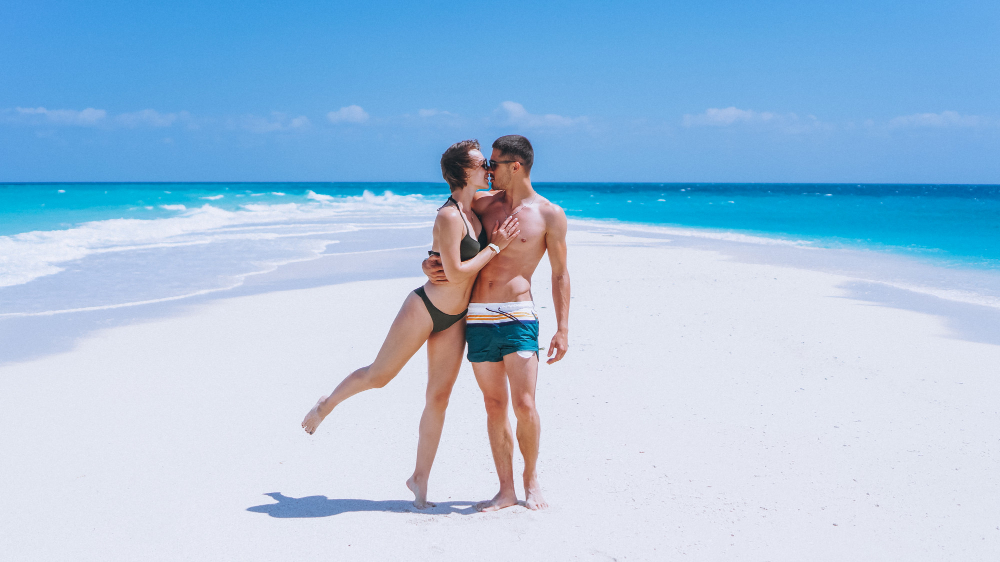
St. John’s Honeymoon Beach is a picturesque Caribbean retreat, perfect for couples and those seeking peace. Located on the North Shore of St. John, it’s part of the Virgin Islands National Park, offering a secluded escape with natural beauty.
Location and Access
The beach is within the Virgin Islands National Park, accessible via the Lind Point Trail (1-mile hike, 20-30 minutes) or a shuttle from Caneel Bay Beach Club. Boat access is also popular, enhancing its exclusivity.
Activities and Features
It features soft white sand, shaded by palms, and excellent snorkeling with a patch reef, where you can spot turtles and rays. Kayaking and paddleboarding are available, adding to the adventure.
Unexpected Detail: Historical Context
Originally called Jumby Bay, it was renamed after the park’s creation, adding a layer of historical charm to its romantic appeal.
Comprehensive Analysis of St. John’s Honeymoon Beach
Carol Ann Duffy, a celebrated Scottish poet and the first female Poet Laureate of the UK from 2009 to 2019, is known for her feminist reimaginings of myths and historical narratives, giving voice to women often silenced in literature. Her 1999 collection The World’s Wife includes “Eurydice,” a dramatic monologue that retells the Greek myth of Orpheus and Eurydice from Eurydice’s perspective. This comprehensive analysis, conducted at 12:11 AM PDT on Friday, March 21, 2025, provides a detailed examination of the poem, including its summary, themes, and line-by-line analysis, drawing on various scholarly sources for accuracy and depth.
Background and Context
St. John’s Honeymoon Beach is located on the island of St. John, part of the U.S. Virgin Islands, within the Virgin Islands National Park. St. John is the smallest of the three main U.S. Virgin Islands, measuring about 9 miles by 3 miles (28 square miles), with two-thirds of the island and surrounding reefs protected by the park. The beach is known for its seclusion and natural beauty, making it a popular destination for honeymooners and nature enthusiasts.
Historically, the area was originally called Jumby Bay and was renamed Honeymoon Beach after the creation of the Virgin Islands National Park and the development of Caneel Bay. The beach’s remoteness, with no direct road access, has helped maintain its tranquil atmosphere, as detailed in Travel + Leisure.
Location and Access
Honeymoon Beach is situated on the North Shore of St. John, within the Virgin Islands National Park, as noted in St. John Beach Guide. Access is limited to hiking, shuttle, or boat, enhancing its secluded appeal. The primary hiking route is the Lind Point Trail, starting at the Virgin Islands National Park Visitor Center in Cruz Bay. This trail is about 1 mile each way, taking 20 to 30 minutes, and is described as relatively easy with some elevation changes, offering scenic views, as per Virgin Islands Now.
An alternative, easier trail from the Caneel Bay parking lot has no hills, suitable for a leisurely walk, as mentioned in Travel + Leisure. A shuttle service from the Caneel Bay Beach Club is available for $6 one way or $12 round trip, free for children under 12, with additional fees for chair rentals, as detailed in Virgin Islands Now. Boat access is popular, with many charter companies offering trips, allowing visitors to combine a beach day with a scenic boat ride, as noted in Tripadvisor.
| Access Method | Details |
|---|---|
| Hiking | Lind Point Trail: 1 mile, 20-30 min, easy, scenic; Caneel Spur Trail: 0.2 miles, steep, parking closed due to construction |
| Shuttle | Caneel Bay Beach Club: $6 one way, $12 round trip, free for kids under 12, chair fees extra |
| Boat | Charter or rent dinghy, popular for scenic access, enhances exclusivity |
Natural Features
Honeymoon Beach is renowned for its soft, white sand, both on the shore and in the water, creating a shallow, calm area ideal for swimming and wading, as described in Virgin Islands Now. The water is typically a spectacular turquoise color, inviting exploration, and is shaded by coconut palms and seagrape trees, providing natural sun protection, as noted in St. John Beach Guide.
Snorkeling is a highlight, with a patch reef on the west side, between Honeymoon and Salomon Beach, home to fish, corals, sea turtles, and stingrays, especially in shallow waters, as per Travel + Leisure. Visitors should be cautious of boat traffic and stay close to the reef, as advised in St. John Beach Guide. The beach offers panoramic views of St. Thomas, Grass Cay, Mingo Cay, Lovango Cay, and boats cruising by, with a variety of ocean blues and teals, as mentioned in Virgin Islands Now.
Activities
Activities at Honeymoon Beach include swimming, snorkeling, kayaking, and stand-up paddleboarding. While watersports equipment is not currently available for rent directly at the beach, visitors can bring their own or arrange rentals through local operators like Virgin Islands Ecotours, as noted in Travel + Leisure. Guided snorkel tours, such as Island Buddy’s Honeymoon Bay Hike and Snorkel (3 hours, includes gear, beginner-intermediate), are available, providing rich ecology and history insights, as detailed in Virgin Islands Now.
Hiking trails around the beach offer access to other parts of the park, allowing visitors to explore diverse flora and fauna, as mentioned in Viator.
| Activity | Details |
|---|---|
| Snorkeling | Patch reef, shallow waters, turtles, rays; caution for boat traffic, bring gear or guided tour |
| Swimming | Calm, turquoise waters, sandy entrance, deepens quickly |
| Kayaking/Paddleboarding | Equipment rentals via local operators, explore surrounding waters |
| Hiking | Trails like Lind Point, scenic views, access to park’s interior |
Amenities
Amenities include restrooms and quick rinse showers provided by the Caneel Bay Beach Club, available to all visitors, as noted in Virgin Islands Now. A concession area at the east end offers deli sandwiches, two bars (main at east end, second at center on busier days), and a souvenir shop, with expansion expected in January 2024, as per Virgin Islands Now. Beach chairs are available for $25/day, with full attendant service packages, but no umbrellas, as mentioned in Tripadvisor.
| Amenity | Details |
|---|---|
| Restrooms/Showers | Yes, provided by Caneel Bay Beach Club, quick rinse showers |
| Food/Drinks | Deli sandwiches, two bars, souvenir shop, expansion expected January 2024 |
| Chair Rentals | $25/day chaise lounge, full service packages, no umbrellas |
Best Times to Visit
The best time to visit is during the dry season, December to April, with sunny, dry weather and temperatures from 75°F to 85°F, as noted in Travel + Leisure. This period is peak tourist season, so the beach may be busier, especially with boat charters arriving late morning and leaving by mid-afternoon, as mentioned in St. John Beach Guide. For a quieter visit, consider shoulder seasons (May to June, November), though these may have more rainfall, as per Tripadvisor.
Nearby Attractions
Nearby, Salomon Beach offers similar features and is accessible by the same trails, as noted in Saint John Island Guide. Other beaches like Trunk Bay and Cinnamon Bay, popular for snorkeling trails, are accessible from Cruz Bay, as mentioned in Virgin Islands This Week. Accommodation options include hotels, villas, and guesthouses in Cruz Bay, with the Westin St. John Resort Villas recommended for luxury, as per Travel + Leisure. The Caneel Bay Resort, once nearby, was destroyed by hurricanes in 2017, with redevelopment unsettled, as noted in Travel + Leisure.
Visitor Tips
Visitors should bring reef-safe sunscreen, water, snacks, snorkeling gear (if not renting), comfortable shoes for hiking, and a backpack, as advised in Virgin Islands Now. Rules include no snorkeling alone, no touching coral, no feeding wildlife, no glass/single-use plastics, no pets (except service animals), and no music/speakers, as detailed in Virgin Islands Now. To make the most of the visit, arrive early to avoid crowds, consider guided tours for snorkeling, and pack out trash, as recommended in St. John Beach Guide.
| Tip Category | Details |
|---|---|
| What to Bring | Reef-safe sunscreen, water, snacks, gear, hiking shoes, backpack |
| Rules | No solo snorkeling, reef-safe sunscreen, no wildlife feeding, no pets (service animals only) |
| Best Practices | Arrive early, pack out trash, consider guided tours for richer experience |
Critical Reception and Educational Significance
Honeymoon Beach is often ranked among the most romantic beaches in the Caribbean, with a Travelers’ Choice award from Tripadvisor for being in the top 10% of properties, as noted in Tripadvisor. Its seclusion and natural preservation have sparked debates around development, with historical efforts like the blocked 199-year lease attempt in the late 1970s, led by islander Noel Lloyd’s Positive Action Movement, as mentioned in Government of the Virgin Islands.
Conclusion and Broader Implications
St. John’s Honeymoon Beach is a Caribbean treasure, offering natural splendor, tranquility, and adventure. Its seclusion, accessed only by trail or boat, ensures a peaceful retreat, ideal for honeymooners and nature lovers. With its white sand, turquoise waters, and rich marine life, it promises an unforgettable escape, making it a must-visit for travelers to the U.S. Virgin Islands.
Key Citations
- Honeymoon Beach detailed guide St. John Beach Guide
- Honeymoon Beach visitor reviews and ratings Tripadvisor
- Beach Day Pass at Honeymoon Beach in St. John Viator
- Honeymoon Beach St. John comprehensive information Virgin Islands Now
- How to Visit Honeymoon Beach romantic beach guide Travel + Leisure
- Beaches on St. John overview and attractions Virgin Islands This Week