Nayakanahatti Temple, nestled in the historic city of Chitradurga in Karnataka, India, stands as a testament to the architectural grandeur, spiritual resonance, and cultural richness of the region. With its roots tracing back several centuries, this temple holds a revered position among devotees and historians alike, drawing visitors from far and wide to witness its majestic splendor and experience its sacred aura.
The temple is dedicated to Lord Shiva, one of the principal deities in Hinduism, and is believed to have been constructed during the Chalukyan period, which flourished between the 6th and 12th centuries CE. This period marked a significant era in South Indian history, characterized by the patronage of art, architecture, and religion by the ruling dynasties.
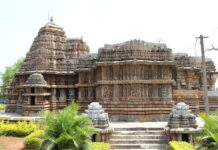
Architecturally, Nayakanahatti Temple exemplifies the Dravidian style, renowned for its intricate carvings, towering gopurams (entrance towers), and sprawling temple complexes. The temple’s main sanctum, or garbhagriha, houses the presiding deity, Lord Shiva, in the form of a lingam, symbolizing his cosmic presence and divine energy. Surrounding the sanctum are subsidiary shrines dedicated to other deities such as Lord Ganesha, Goddess Parvati, Lord Subramanya, and others, reflecting the inclusive nature of Hindu worship.
One of the most striking features of Nayakanahatti Temple is its magnificent Rajagopuram, the main entrance tower adorned with intricate sculptures and elaborate motifs. Rising majestically against the backdrop of the Chitradurga skyline, the gopuram serves as a visual beacon, inviting devotees and visitors into the sacred precincts of the temple.
The temple complex itself is a labyrinth of architectural marvels, with intricately carved pillars, mandapas (hallways), and courtyards adorned with sculptural depictions of Hindu mythology, epic narratives, celestial beings, and floral motifs. Each element of the temple’s architecture bears testament to the skilled craftsmanship, artistic finesse, and spiritual symbolism prevalent during its construction.
Beyond its architectural grandeur, Nayakanahatti Temple holds profound religious significance for devotees who flock to its hallowed grounds to seek blessings, offer prayers, and partake in sacred rituals. The temple serves as a focal point for various religious ceremonies and festivals, with Maha Shivaratri being celebrated with great fervor and devotion. During these auspicious occasions, the temple comes alive with the rhythmic chanting of hymns, the fragrance of incense, and the vibrant colors of floral offerings, creating an atmosphere of spiritual transcendence and divine communion.
The cultural and historical significance of Nayakanahatti Temple extends beyond its religious dimensions, offering insights into the rich tapestry of Karnataka’s heritage. As a center of religious and cultural convergence, the temple has played a pivotal role in shaping the socio-cultural fabric of the region, fostering a sense of unity, harmony, and reverence among its devotees.
Visitors to Nayakanahatti Temple are not only captivated by its architectural splendor and spiritual ambiance but also by the serene natural surroundings that envelop the temple complex. Nestled amidst lush greenery and scenic landscapes, the temple provides a tranquil retreat for pilgrims and tourists seeking solace, contemplation, and spiritual rejuvenation.
In addition to its spiritual and cultural significance, Nayakanahatti Temple serves as a repository of historical narratives and legends, each contributing to the tapestry of its storied past. Tales of devotion, valor, and divine intervention intertwine with the temple’s history, enriching its legacy and endowing it with a sense of mystique and reverence.
As a cherished heritage site and a symbol of Karnataka’s cultural identity, Nayakanahatti Temple continues to inspire awe, reverence, and devotion among devotees and visitors alike. Its timeless beauty, architectural splendor, and spiritual resonance serve as a reminder of the enduring legacy of India’s rich cultural heritage, inviting all to experience the divine essence that permeates its sacred precincts.