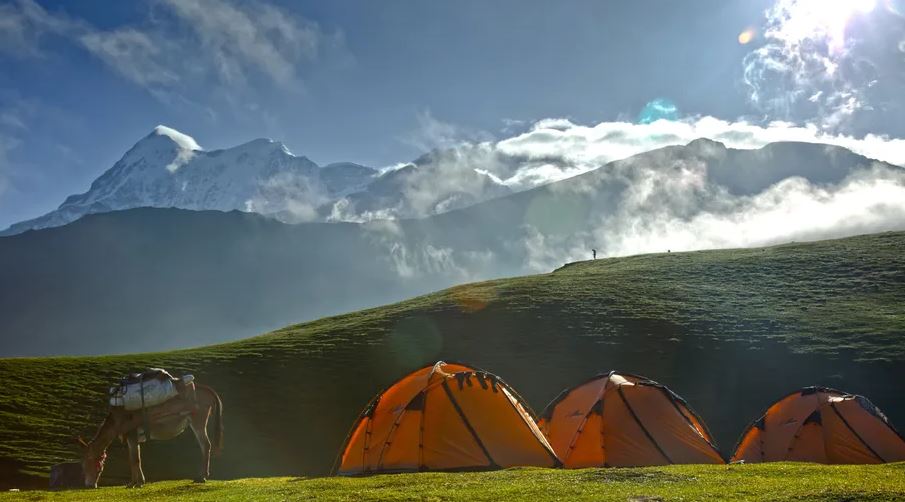
Traditionally, the monsoon is not seen as an ideal time for outdoor activities in the subcontinent. It’s typically a period for rest and rejuvenation, allowing the earth to absorb the rains. However, some locations defy this norm and offer unique rewards for those willing to venture out—rare wildflowers bloom, valleys transform with lush greenery, and landscapes can resemble summer vistas. Here are six treks that will satisfy the adventure enthusiast:
Markha Valley
- Location: Ladakh
- Difficulty: Moderate
- Maximum Altitude: 17,060 ft
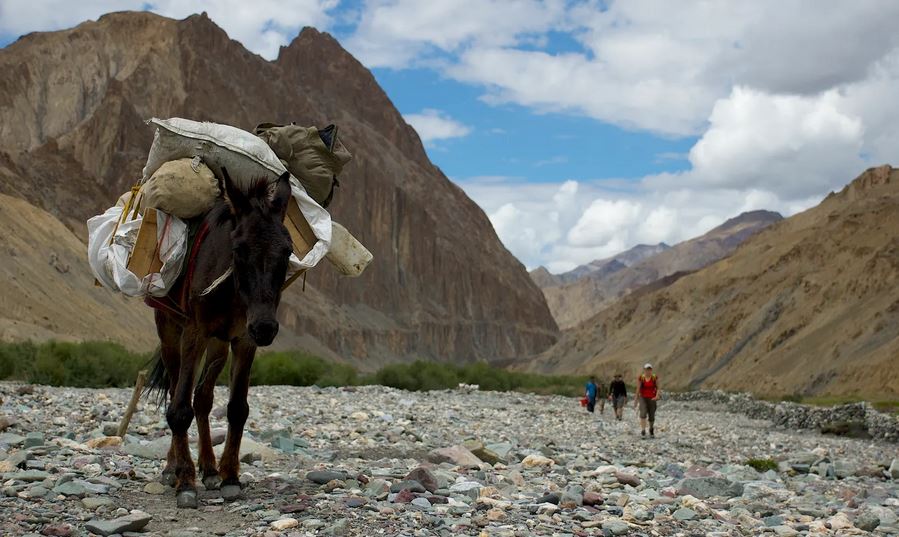
If you’re seeking a diverse trek that fits into a week, Markha Valley is an excellent choice. Expect postcard-perfect views of milky rivers cutting through verdant valleys that shift to stark mountainous terrain, high passes, and stunning views of Kang Yatse. This moderately challenging trek takes you through the Hemis National Park, best visited between July and mid-September when it enjoys near-perfect weather due to its location in the rain shadow region of the Himalayas. Additionally, it’s one of the few high-altitude tea house trekking trails in India, providing a more comfortable experience without the need for camping.
Parang La
- Location: Himachal-Ladakh
- Difficulty: Difficult
- Maximum Altitude: 18,400 ft

This trek is for seasoned adventurers seeking a challenge, following an ancient trade route that connected Tibet (now Ladakh) and Spiti in Himachal Pradesh. Parang La is the pass linking the two valleys. It’s recommended to start from the Spiti side and cross the pass early on, then traverse the Changthang plateau. The expansive desert is adorned with wildflowers and the stunning Tso Moriri, a deep blue lake. While the rest of India experiences monsoon rains, this high-altitude region offers blue skies and summer-like conditions, with opportunities to see herds of Tibetan wild ass galloping across the wilderness known as ‘Kiangdom’.
Tosamaidan
- Location: Kashmir
- Difficulty: Moderate
- Maximum Altitude: 12,460 ft
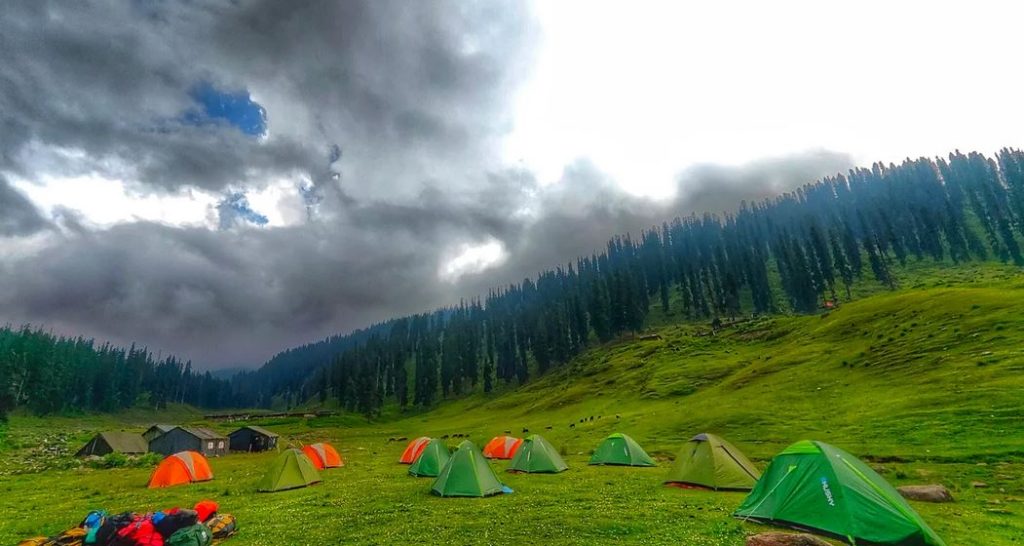
The Tosamaidan trek cuts through the Pir Panjal range, offering a mix of alpine meadows, coniferous forests, and lakes, making it the quintessential ‘Kashmir’ trail. Located near Gulmarg, it serves as a great alternative to the popular Kashmir Great Lakes trek and other crowded routes around Sonmarg during this season. Away from the Amarnath pilgrimage trail, it provides a peaceful retreat into Kashmir’s wild beauty. This route also offers an easier option for hikers to see the region’s famous glacial lakes without crossing multiple high passes.
Pin Valley
- Location: Himachal Pradesh
- Difficulty: Moderate
- Maximum Altitude: 15,780 ft
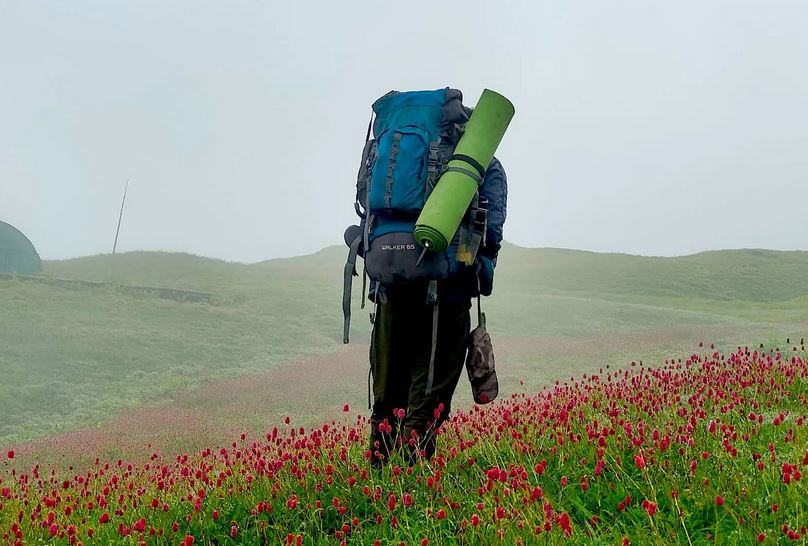
For true adventurers, the tough Pin-Parvati pass trek is a favorite, linking the two valleys of Himachal Pradesh. However, a less demanding adventure better suited to the monsoon is exploring Pin Valley alone. Day hikes start from Mudh, a picturesque Spitian village with traditional whitewashed homes in fields of peas and barley, set against windswept valleys and rock formations. Using a homestay in Mudh as your base, you can explore Pin National Park and nearby spots like Gechang, Ka, and Thango. This park offers a quieter alternative to the crowded Valley of Flowers during the monsoon.
Bedni Bugyal
- Location: Uttarakhand
- Difficulty: Moderate
- Maximum Altitude: 11,000 ft
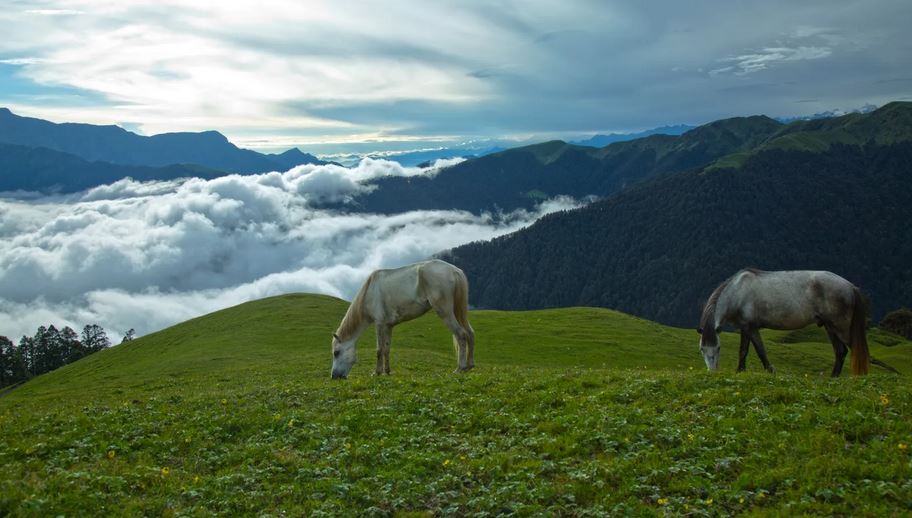
Bedni Bugyal is an alpine meadow trek that starts just before the famous Roopkund trail and right after the sought-after Bedni Bugyal meadow. This route is favored by those searching for the elusive Brahma Kamal, the state flower of Uttarakhand that blooms at high altitudes and usually after dark. Found in abundance here during the monsoon, this flower is steeped in local folklore and believed to be divine, a reward for those who venture far to witness its beauty. While the trek is generally easy, the rainy season increases its difficulty.
Darma Valley
- Location: Uttarakhand
- Difficulty: Easy
- Maximum Altitude: 14,000 ft
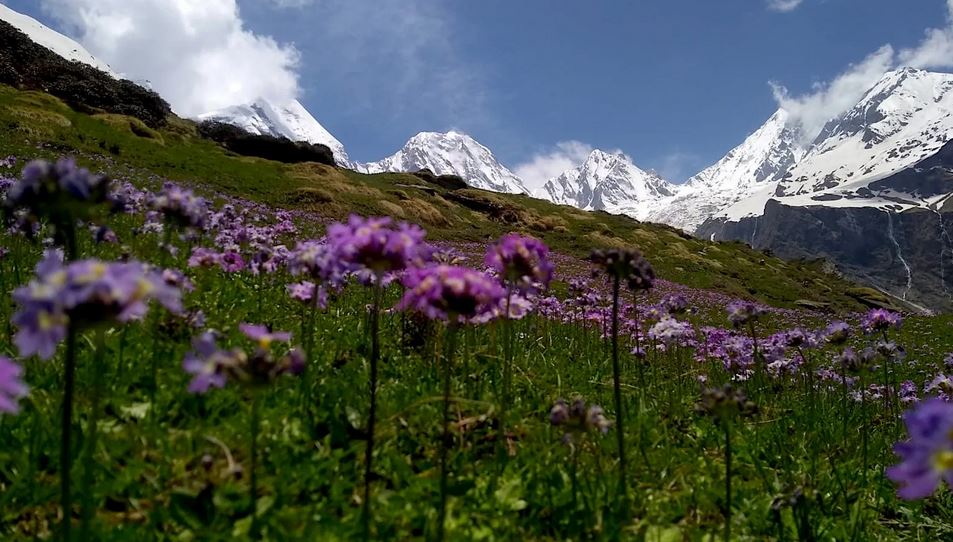
Home to the Panchchuli massif, Darma Valley offers an intimate encounter with this cluster of five peaks dominating the eastern end of the Kumaon Himalaya. A five-hour drive from Dharchula, a town on the Nepal border, takes you to Duktu village. From here, a gentle 2-km hike through Dantu meadow leads to Panchchuli base camp, where the shimmering Nyuli Yangti river flows from the Meola glacier. While spring is the season for rhododendrons, monsoon is the time for harvesting palti, a local variety of buckwheat that turns the valley a beautiful reddish-pink.