Nestled in the heart of Punjab, Ludhiana beckons travelers with its rich history, vibrant culture, and warm hospitality. While it may not be as prominently featured on tourist itineraries as some other cities in Punjab, Ludhiana boasts a treasure trove of hidden gems waiting to be discovered. From ancient forts and sacred shrines to poignant museums and cultural landmarks, there’s no shortage of fascinating attractions to explore in this dynamic city. In this guide, we’ll uncover 10 tourist attractions in Ludhiana that are well worth a visit.
Best Time to Visit Ludhiana
Ludhiana experiences a typical north Indian climate, characterized by hot summers and chilly winters. The best time to visit is during the winter months, from November to February, when the weather is pleasant and conducive to outdoor activities and sightseeing. During this time, temperatures range from 5°C to 20°C, making it ideal for exploring the city’s attractions without the discomfort of extreme heat.
How to Reach Ludhiana
By Air:
The nearest airport to Ludhiana is the Sahnewal Airport, located approximately 13 kilometers away from the city center. However, the airport has limited connectivity, and most travelers prefer to fly into the Sri Guru Ram Dass Jee International Airport in Amritsar or the Indira Gandhi International Airport in Delhi. From there, you can either take a domestic flight to Sahnewal Airport or travel to Ludhiana by road or rail.
By Train:
Ludhiana is a major railway junction and is well-connected to various cities across India via an extensive network of trains. The Ludhiana Junction Railway Station is situated in the heart of the city, making it convenient for travelers to reach their destination. Regular trains operate to and from cities like Delhi, Mumbai, Kolkata, and Chennai, ensuring easy access to Ludhiana by rail.
By Road:
Ludhiana is easily accessible by road, with well-maintained highways connecting it to major cities in Punjab and neighboring states. National Highway 44 (NH44) passes through Ludhiana, providing seamless connectivity to cities like Delhi, Chandigarh, and Amritsar. State-run buses, private taxis, and self-driven vehicles offer convenient transportation options for travelers arriving by road.
Now, let’s embark on a journey to explore Ludhiana’s hidden gems:
1. Gurudwara Mehdiana Sahib
Located in the Mehdiana village near Ludhiana, Gurudwara Mehdiana Sahib holds immense religious significance for Sikhs. It is believed to be the site where Guru Gobind Singh Ji, the tenth Sikh Guru, stayed during his journey through Punjab. The gurudwara is known for its serene ambiance, spiritual fervor, and the sacred pool (Sarovar) where devotees take holy dips to seek blessings.
2. Lodhi Fort
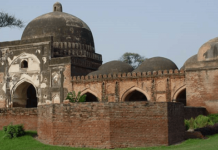
Lodhi Fort, also known as Purana Qila or Old Fort, is a historic citadel dating back to the Lodhi dynasty. Situated on the banks of the Sutlej River, the fort served as a strategic stronghold during medieval times. Although now mostly in ruins, the fort offers panoramic views of the surrounding landscape and provides insight into Ludhiana’s ancient past.
3. Akal Takht
Akal Takht, meaning “Throne of the Timeless One,” is one of the five takhts (seats of authority) in Sikhism and holds great religious significance for the Sikh community. Located within the premises of the Golden Temple complex in Amritsar, Akal Takht serves as the highest temporal seat of Sikh authority, where important decisions pertaining to Sikhism are deliberated upon. Pilgrims visit Akal Takht to pay their respects and seek guidance from the Sikh clergy.
4. Amritsar Tourism
Amritsar, often referred to as the “Spiritual Capital of Punjab,” is a vibrant city renowned for its rich Sikh heritage, cultural landmarks, and delectable cuisine. The city’s star attraction is the Golden Temple, a shimmering oasis of peace and spirituality revered by millions of devotees worldwide. Other notable attractions in Amritsar include the historic Jallianwala Bagh, the poignant Partition Museum, and the ceremonial Wagah Border, where visitors can witness the elaborate Beating Retreat Ceremony.
5. Gobindgarh Fort
Gobindgarh Fort is a historic fortress located in the heart of Amritsar, built by Maharaja Ranjit Singh in the early 19th century. The fort served as a strategic military bastion during the Sikh Empire and played a crucial role in safeguarding the region from external threats. Today, Gobindgarh Fort has been transformed into a cultural heritage site and museum, offering visitors a glimpse into Punjab’s glorious past through interactive exhibits, light and sound shows, and traditional performances.
6. Jallianwala Bagh
Jallianwala Bagh is a somber reminder of one of the darkest chapters in India’s history – the Jallianwala Bagh massacre of 1919. This historic public garden in Amritsar witnessed the brutal killing of hundreds of unarmed civilians by British troops, sparking outrage and fueling the Indian independence movement. Today, Jallianwala Bagh stands as a memorial to the martyrs, with a flame-shaped monument and bullet marks on the walls bearing testimony to the tragic events of that fateful day.
7. Karnal Tourism
Karnal, a bustling city located in the heart of Haryana, is renowned for its rich agricultural heritage, historic landmarks, and vibrant culture. Visitors can explore attractions like the Karnal Fort, built by Raja Karna, the mythical hero of the Mahabharata; the enchanting Karnal Lake, a popular picnic spot offering boating and recreational activities; and the Kalpana Chawla Memorial Planetarium, dedicated to the memory of India’s first woman astronaut.
8. Maharaja Ranjit Singh Museum
The Maharaja Ranjit Singh Museum, located within the Ram Bagh Palace complex in Amritsar, pays tribute to the legendary Sikh ruler Maharaja Ranjit Singh, also known as the “Lion of Punjab.” The museum houses a remarkable collection of artifacts, including arms and armor, paintings, manuscripts, and personal belongings of Maharaja Ranjit Singh, providing insight into his illustrious reign and the history of Sikh Empire.
9. Partition Museum
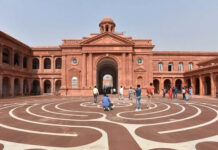
The Partition Museum in Amritsar is dedicated to preserving the memory and stories of the millions of people who were affected by the partition of India in 1947. Housed within the historic Town Hall building, the museum features exhibits, oral histories, photographs, and personal belongings donated by partition survivors, offering visitors a poignant glimpse into the human cost of partition and its enduring legacy.
10. The Golden Temple
The Golden Temple, also known as Sri Harmandir Sahib, is the holiest shrine in Sikhism and a symbol of universal brotherhood and equality. Located in the heart of Amritsar, the temple’s resplendent golden facade shines like a beacon of hope and spiritual solace. Visitors from all walks of life are welcomed with open arms at the Golden Temple, where they can partake in langar (community kitchen), listen to kirtan (devotional music), and experience the timeless beauty of this sacred sanctuary.
11. Wagah Border
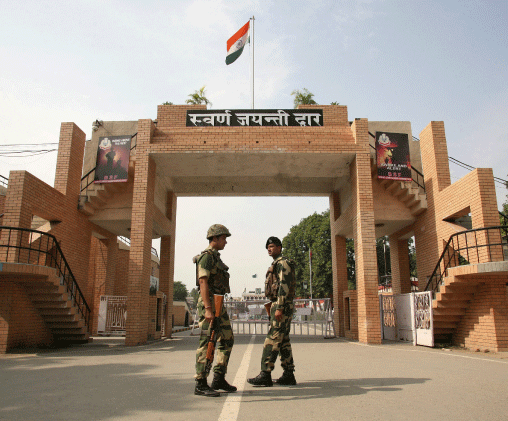
Wagah Border, situated on the India-Pakistan border near Amritsar, is famous for its elaborate Beating Retreat Ceremony, a daily military ritual conducted by the Indian Border Security Force (BSF) and the Pakistan Rangers. The ceremony, marked by synchronized marching, patriotic songs, and flag-lowering ceremonies, is a symbolic display of national pride and military prowess. Visitors flock to Wagah Border to witness this awe-inspiring spectacle and experience the palpable energy of patriotism that permeates the atmosphere.
As you embark on your journey to explore Ludhiana’s hidden gems, may you be captivated by the city’s rich history, cultural heritage, and warm hospitality. From ancient forts and sacred shrines to poignant museums and cultural landmarks, Ludhiana promises a truly enriching and unforgettable experience for travelers seeking to uncover the essence of Punjab’s vibrant spirit.