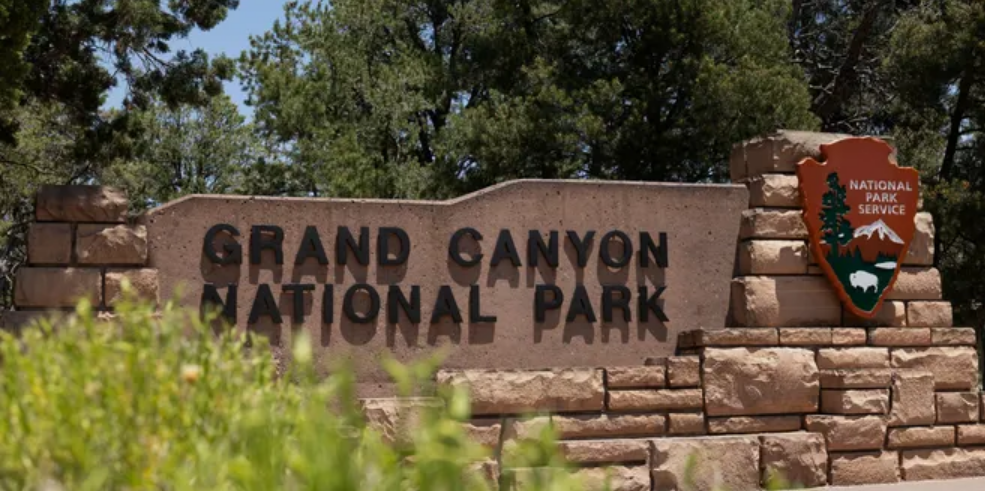
On July 3, 2025, former President Donald Trump signed an executive order mandating increased entrance and recreational pass fees for non-U.S. residents visiting America’s national parks and federal lands. The directive aims to prioritize affordability for U.S. citizens while generating much-needed revenue to address park infrastructure and maintenance backlogs.
️ What the Executive Order Involves
-
Fee Hike for International Visitors
Entrance fees and the popular “America the Beautiful” annual passes will see a significant price increase for international travelers. While exact figures are yet to be announced, the move could bring in an estimated $90 million to $1.2 billion annually. -
Funds for Park Improvements
Revenue collected from these fee hikes will be directed toward improving infrastructure, maintaining trails, upgrading visitor facilities, and protecting ecological resources across U.S. national parks. -
Priority Access for Americans
U.S. citizens will now receive preferential access in national park lotteries and reservation systems, including highly sought-after experiences like Yosemite’s Half Dome hike. -
Rollback of Diversity and Inclusion Policies
The order also revokes a 2017 directive that supported diversity, equity, and inclusion (DEI) initiatives in public land management. This move has drawn mixed reactions, with some praising the shift toward “merit-based” systems, and others warning of reduced accessibility and representation. -
Budget Reductions and Staffing Cuts
In tandem with the order, proposed cuts for the fiscal year 2026 include over $1 billion—roughly a third of the National Park Service’s budget. Permanent staffing has already declined by 24%, limiting park operations and visitor services.
A Global Comparison
Many countries—such as Chile, South Africa, and Ecuador—already implement tiered pricing for national parks, charging higher fees for international tourists. The U.S. now joins this model, seeking to balance domestic affordability with increased revenue from overseas visitors.
⚖️ Reactions and Controversy
-
Supporters argue this strategy aligns with “America First” principles and helps generate funds for essential park improvements without burdening taxpayers further.
-
Critics warn that nationality-based pricing could hurt tourism, create enforcement challenges, and undermine global goodwill.
-
The rollback of DEI policies has also sparked debate, with concerns about reduced opportunities and engagement for underrepresented groups.
What’s Next?
While the executive order is now in effect, the implementation details are still pending. The Department of the Interior and National Park Service will be tasked with determining specific fee structures, launch timelines, and operational logistics in the coming months.
The executive order signals a significant shift in U.S. national park policy, focusing on domestic prioritization and self-funding strategies. As international visitors prepare for potentially higher costs, Americans may see improved access and better-maintained facilities—though not without debate over equity, inclusion, and global tourism dynamics.