Nestled in the heart of Karnataka, Gulbarga is a city steeped in history and culture, offering a treasure trove of enchanting experiences for travelers. From ancient forts to spiritual landmarks, Gulbarga beckons visitors with its rich heritage and picturesque landscapes. Here’s a guide to the seven must-visit attractions that define the essence of Gulbarga:
Best Time to Visit: The ideal time to explore Gulbarga is during the winter months, from October to March, when the weather remains pleasant, making outdoor activities and sightseeing more enjoyable. The monsoon season, from June to September, brings lush greenery to the region, but heavy rainfall may hinder travel plans. It’s advisable to avoid visiting during the scorching summer months, from April to June, when temperatures soar, making outdoor excursions uncomfortable.
How to Reach: Gulbarga is well-connected by road, rail, and air, offering convenient transportation options for travelers. The city has its own railway station, Gulbarga Railway Station, which is connected to major cities like Bangalore, Hyderabad, Mumbai, and Delhi. For those traveling by air, the nearest airport is the Rajiv Gandhi International Airport in Hyderabad, located approximately 230 kilometers away from Gulbarga. From the airport, visitors can hire taxis or use bus services to reach Gulbarga. Additionally, state-run and private buses ply regularly between Gulbarga and neighboring cities like Bangalore, Hyderabad, and Pune, providing an economical mode of transportation.
Now, let’s delve into the enchanting places that every tourist must experience in Gulbarga:
1. Khwaja Bande Nawaz Dargah: Located in the heart of Gulbarga, the Khwaja Bande Nawaz Dargah is a revered Sufi shrine dedicated to the 14th-century Sufi saint, Hazrat Khwaja Bande Nawaz Gesu Daraz. Adorned with intricate Persian architecture, the Dargah attracts devotees and visitors of all faiths, seeking blessings and spiritual solace. The annual Urs festival held here is a grand celebration, marked by qawwalis, prayers, and cultural performances, drawing pilgrims from far and wide.
2. Chandrampalli Dam: For nature enthusiasts and adventure seekers, Chandrampalli Dam is a tranquil retreat nestled amidst lush greenery, offering breathtaking views and serene surroundings. The dam, built across the Bhima River, is a popular picnic spot where visitors can indulge in boating, fishing, and birdwatching. Surrounded by picturesque hills and dense forests, Chandrampalli Dam is an idyllic getaway for those seeking a respite from the hustle and bustle of city life.
3. Gulbarga Fort: A testament to Gulbarga’s rich historical legacy, the Gulbarga Fort stands as a magnificent symbol of the city’s glorious past. Built in the 14th century by the Bahmani Sultanate, the fort boasts of impressive architecture and formidable ramparts. Within its precincts lie ancient mosques, palaces, and tombs, each narrating tales of bygone eras. The Jama Masjid, a grand mosque located within the fort complex, is a masterpiece of Indo-Islamic architecture and a must-visit attraction for history buffs.
4. Haft Gumbaz: Meaning ‘Seven Domes’ in Persian, Haft Gumbaz is a striking mausoleum complex housing the tombs of the Bahmani rulers. Built during the 14th and 15th centuries, these seven domed structures are adorned with intricate carvings and ornate decorations, reflecting the architectural grandeur of the Bahmani dynasty. Surrounded by landscaped gardens and water channels, Haft Gumbaz offers a serene ambiance, ideal for leisurely strolls and photography enthusiasts.
5. Jama Masjid: Regarded as one of the finest examples of Islamic architecture in South India, the Jama Masjid of Gulbarga is a masterpiece of design and craftsmanship. Constructed in the 14th century by Sultan Ala-ud-din Bahmani, the mosque features towering minarets, intricately carved arches, and a spacious courtyard adorned with marble flooring. The prayer hall, embellished with Persian calligraphy and geometric patterns, exudes an aura of tranquility and reverence, making it a spiritual oasis for worshippers and visitors alike.
6. Sharana Basaveshwara Temple: Dedicated to the 18th-century saint and social reformer, Sharana Basaveshwara, this temple is a sacred pilgrimage site for followers of the Lingayat faith. The temple complex houses shrines dedicated to Lord Shiva and other Hindu deities, along with a museum showcasing artifacts and relics associated with Sharana Basaveshwara. The annual Sharana Basaveshwara Rathotsava, held here with great fervor, attracts devotees from across the region, making it a vibrant cultural spectacle.
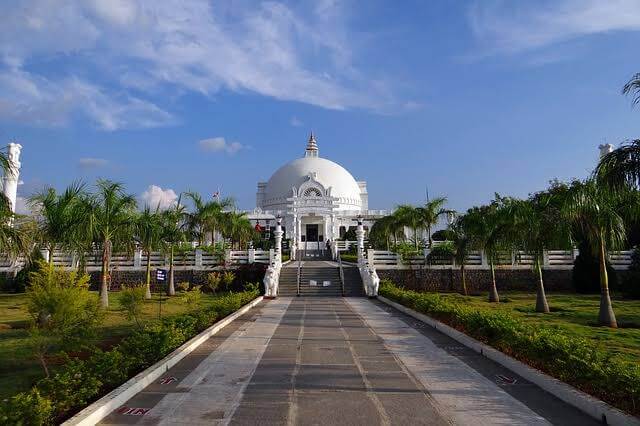
7. The Buddha Vihar: A tranquil haven nestled amidst verdant surroundings, The Buddha Vihar is a Buddhist monastery and meditation center that offers spiritual retreats and teachings on mindfulness and inner peace. Surrounded by lush gardens and cascading waterfalls, the vihara provides a serene ambiance for meditation and introspection. Visitors can participate in guided meditation sessions, yoga classes, and spiritual discourses conducted by resident monks, fostering a sense of harmony and well-being.
In conclusion, Gulbarga captivates travelers with its diverse attractions ranging from ancient monuments to spiritual landmarks, offering a unique blend of history, culture, and natural beauty. Whether you’re a history enthusiast, a nature lover, or a seeker of spiritual enlightenment, Gulbarga has something to offer for everyone, making it a destination worth exploring. So, pack your bags and embark on a journey to discover the enchanting delights of Gulbarga.