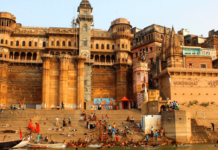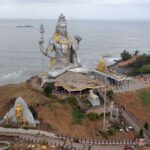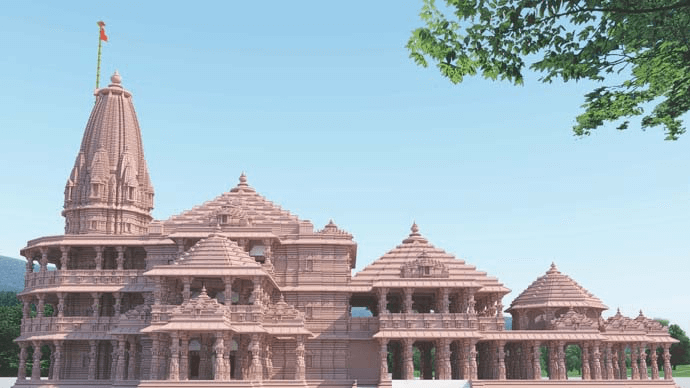
Ayodhya, the legendary city in Uttar Pradesh, India, holds immense significance in Hindu mythology and history. Revered as the birthplace of Lord Rama, Ayodhya is dotted with temples, shrines, and historical landmarks that attract pilgrims and tourists alike. Let’s explore the top 10 tourist places in Ayodhya, along with the best time to visit and how to reach them.
1. Ram Janmabhoomi
Ram Janmabhoomi, also known as the birthplace of Lord Rama, is one of the most sacred sites in Ayodhya. The site holds immense religious significance for Hindus and has been a focal point of religious and political debate for decades. Visitors can explore the Ram Janmabhoomi complex, which includes the makeshift temple, Hanuman Garhi, and various other shrines dedicated to Lord Rama and his devotees.
Best Time to Visit: The best time to visit Ram Janmabhoomi is during the winter months from October to March when the weather is pleasant for sightseeing and pilgrimage.
How to Reach: Ram Janmabhoomi is located in the heart of Ayodhya and can be easily reached by taxis, auto-rickshaws, or on foot from nearby areas.
2. Kanak Bhawan
Kanak Bhawan is a magnificent temple dedicated to Lord Rama and Goddess Sita, known for its beautiful architecture and vibrant murals depicting scenes from the Ramayana. The temple is believed to have been gifted to Sita by her mother, Queen Kaikeyi, after her marriage to Lord Rama. Visitors can admire the intricate carvings and colorful paintings adorning the walls of the temple, reflecting the rich mythology and traditions of Ayodhya.
Best Time to Visit: The best time to visit Kanak Bhawan is during the early morning or late afternoon to avoid crowds and experience the serene atmosphere of the temple.
How to Reach: Kanak Bhawan is located near the Hanuman Garhi temple in Ayodhya and can be easily reached by taxis, auto-rickshaws, or on foot.
3. Treta Ke Thakur Temple
Treta Ke Thakur Temple, also known as Raja Ram Temple, is dedicated to Lord Rama and is believed to have been established by Raja Dashrath, Lord Rama’s father. The temple is renowned for its exquisite architecture and houses the idols of Lord Rama, Goddess Sita, and Lakshmana. Visitors can participate in the daily rituals and prayers conducted at the temple and seek blessings for prosperity and happiness.
Best Time to Visit: The best time to visit Treta Ke Thakur Temple is during the early morning or late evening to witness the aarti (ritual prayer) and experience the spiritual ambiance of the temple.
How to Reach: Treta Ke Thakur Temple is located in the heart of Ayodhya and can be easily reached by taxis, auto-rickshaws, or on foot.
4. Choti Chawni
Choti Chawni is a historic neighborhood in Ayodhya, known for its narrow lanes, ancient temples, and vibrant markets. The area holds special significance for devotees of Lord Rama and is believed to be the place where he spent a significant part of his life during his exile. Visitors can explore the various temples and shrines scattered across Choti Chawni, including the Nageshwarnath Temple and the Bharat Kund.
Best Time to Visit: The best time to visit Choti Chawni is during the morning or late afternoon to explore the neighborhood at leisure and witness the rituals performed at the temples.
How to Reach: Choti Chawni is located near the Ram Janmabhoomi complex in Ayodhya and can be easily reached by taxis, auto-rickshaws, or on foot.
5. Sita Ki Rasoi
Sita Ki Rasoi, also known as Sita’s Kitchen, is a revered site in Ayodhya associated with Goddess Sita, the consort of Lord Rama. According to mythology, Sita is believed to have cooked meals for Lord Rama in this kitchen during their exile in the forests. The site features a small temple dedicated to Sita, along with an ancient kitchen area where devotees offer prayers and seek blessings for marital harmony and domestic bliss.
Best Time to Visit: The best time to visit Sita Ki Rasoi is during the morning or early afternoon to participate in the rituals and experience the spiritual significance of the site.
How to Reach: Sita Ki Rasoi is located near the Ram Janmabhoomi complex in Ayodhya and can be easily reached by taxis, auto-rickshaws, or on foot.
6. Tulsi Smarak Bhawan
Tulsi Smarak Bhawan is a memorial dedicated to Goswami Tulsidas, the renowned saint-poet who composed the epic Ramcharitmanas, a retelling of the Ramayana in Awadhi language. The memorial houses a museum showcasing artifacts, manuscripts, and paintings related to the life and works of Tulsidas. Visitors can learn about the poet’s contribution to Indian literature and spiritual philosophy and explore the serene surroundings of the memorial.
Best Time to Visit: The best time to visit Tulsi Smarak Bhawan is during the morning or early afternoon to explore the museum and enjoy the peaceful ambiance of the memorial.
How to Reach: Tulsi Smarak Bhawan is located near the Ram Janmabhoomi complex in Ayodhya and can be easily reached by taxis, auto-rickshaws, or on foot.
7. Bahu Begum ka Makbara
Bahu Begum ka Makbara, also known as the Tomb of Bahu Begum, is an exquisite mausoleum dedicated to Nawab Shuja-ud-Daula’s wife, Bahu Begum. Built-in the 18th century, the tomb is renowned for its intricate Mughal architecture, including marble lattice work, domes, and minarets. Visitors can admire the beautiful craftsmanship of the mausoleum and explore the surrounding gardens and water channels.
Best Time to Visit: The best time to visit Bahu Begum ka Makbara is during the morning or late afternoon to appreciate the architectural beauty of the tomb and enjoy the tranquil surroundings.
How to Reach: Bahu Begum ka Makbara is located in the Faizabad district, approximately 7 kilometers from Ayodhya city center. It can be reached by taxis, auto-rickshaws, or public buses.
8. Raja Mandir
Raja Mandir, also known as the Palace of the King, is a historic palace built by King Darshan Singh in the 19th century. The palace is renowned for its impressive architecture, including intricate carvings, marble flooring, and ornate balconies. Visitors can explore the various rooms and galleries of the palace, which showcase artifacts, paintings, and sculptures depicting the rich heritage of Ayodhya.
Best Time to Visit: The best time to visit Raja Mandir is during the morning or early afternoon to explore the palace and learn about its historical significance.
How to Reach: Raja Mandir is located near the Ram Janmabhoomi complex in Ayodhya and can be easily reached by taxis, auto-rickshaws, or on foot.
9. Ram Katha Park
Ram Katha Park is a sprawling green space located along the banks of the Sarayu River, offering scenic views of the river and the surrounding landscape. The park is dedicated to Lord Rama and features statues, sculptures, and paintings depicting scenes from the Ramayana. Visitors can enjoy leisurely walks, picnics, and boat rides in the park and soak in the serene ambiance of the riverside.
Best Time to Visit: The best time to visit Ram Katha Park is during the early morning or late afternoon to enjoy the pleasant weather and scenic views of the Sarayu River.
How to Reach: Ram Katha Park is located near the Ram Janmabhoomi complex in Ayodhya and can be easily reached by taxis, auto-rickshaws, or on foot.
10. Moti Mahal
Moti Mahal, also known as the Palace of Pearls, is a historic palace built by Nawab Saadat Ali Khan in the 18th century. The palace is renowned for its exquisite architecture, including marble facades, intricate carvings, and beautiful frescoes. Visitors can explore the various rooms and courtyards of the palace, which showcase the opulence and grandeur of the Awadhi architecture.
Best Time to Visit: The best time to visit Moti Mahal is during the morning or early afternoon to explore the palace and admire its architectural beauty.
How to Reach: Moti Mahal is located near the Ram Janmabhoomi complex in Ayodhya and can be easily reached by taxis, auto-rickshaws, or on foot.
11. Guptar Ghat
Guptar Ghat is a sacred bathing ghat located on the banks of the Sarayu River, believed to be the spot where Lord Rama took Jal Samadhi (immersion in water) before leaving his mortal body. The ghat is dotted with ancient temples and shrines dedicated to various deities, attracting pilgrims and devotees from far and wide. Visitors can take a holy dip in the river, offer prayers at the temples, and witness the vibrant religious rituals performed at the ghat.
Best Time to Visit: The best time to visit Guptar Ghat is during the early morning or late afternoon to witness the rituals and experience the spiritual ambiance of the ghat.
How to Reach: Guptar Ghat is located near the Ram Janmabhoomi complex in Ayodhya and can be easily reached by taxis, auto-rickshaws, or on foot.
In conclusion, Ayodhya offers a wealth of attractions for travelers, from sacred temples to historic landmarks, reflecting the city’s rich cultural heritage and religious significance. Whether exploring the birthplace of Lord Rama, marveling at ancient architecture, or soaking in the spiritual ambiance of the ghats, visitors are sure to be captivated by the charm and diversity of Ayodhya’s tourist places.