Amritsar, a city steeped in history and culture, is a vibrant destination in the heart of Punjab, India. Renowned for its rich Sikh heritage, iconic landmarks, and delicious cuisine, Amritsar attracts travelers from all over the world. In this comprehensive guide, we’ll explore the top 10 attractions in Amritsar, along with the best time to visit and how to reach this enchanting city.
Best Time to Visit Amritsar:
The best time to visit Amritsar is during the winter months from October to March when the weather is pleasant and comfortable for sightseeing. During this time, temperatures are mild, and the city experiences minimal rainfall, making it ideal for exploring its attractions. Additionally, important Sikh festivals such as Guru Nanak Jayanti and Baisakhi are celebrated with great fervor during this period, offering visitors a chance to witness the city’s vibrant cultural heritage.
How to Reach Amritsar:
Amritsar is well-connected by air, rail, and road, making it easily accessible from various parts of India.
- By Air: Sri Guru Ram Dass Jee International Airport, located in Amritsar, operates domestic and international flights to major cities like Delhi, Mumbai, and London. From the airport, travelers can avail taxi or bus services to reach the city center.
- By Rail: Amritsar Junction Railway Station is a major railway hub in Punjab, with excellent connectivity to various parts of the country. It is served by numerous trains, including express and superfast trains, making it convenient for travelers to reach Amritsar by rail.
- By Road: Amritsar is well-connected by road to neighboring cities and states via national highways and state highways. State-run buses, private buses, and taxis ply on these routes, providing convenient transportation options for travelers.
Now, let’s explore the top 10 attractions in Amritsar:
1. Golden Temple:
The Golden Temple, also known as Sri Harmandir Sahib, is the holiest shrine in Sikhism and a symbol of spiritual and architectural excellence. Located in the heart of Amritsar, the temple is adorned with gold leaf and surrounded by a sacred pool, known as the Amrit Sarovar. Visitors can witness the mesmerizing beauty of the temple’s golden façade, partake in the langar (community kitchen) where free meals are served to all, and experience the serene ambiance of the complex. The Golden Temple is open to people of all faiths and welcomes visitors from around the world to experience its divine atmosphere.
2. Wagah Border:
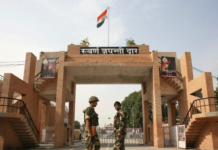
The Wagah Border, situated on the India-Pakistan border near Amritsar, is famous for its elaborate Beating Retreat ceremony, which takes place every evening. Visitors can witness the synchronized drills, spirited marches, and patriotic fervor as soldiers from both countries lower their respective national flags in a grand display of military pomp and pageantry. The Wagah Border ceremony is a symbol of the enduring spirit of India and Pakistan and attracts large crowds of spectators who come to witness this unique spectacle.
3. Jallianwala Bagh:
Jallianwala Bagh is a historic public garden in Amritsar, known for its tragic association with the Jallianwala Bagh massacre of 1919. The garden houses a memorial commemorating the hundreds of innocent civilians who lost their lives when British troops opened fire on a peaceful gathering. Visitors can explore the memorial, view the bullet marks on the walls, and pay homage to the martyrs at the eternal flame. Jallianwala Bagh serves as a reminder of India’s struggle for freedom and the sacrifices made by its brave citizens.
4. Partition Museum:
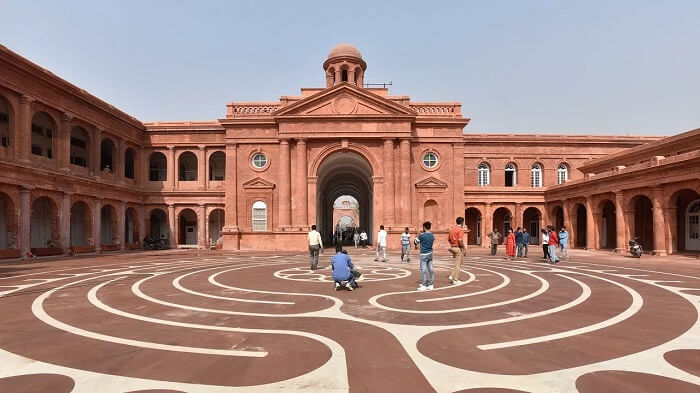
The Partition Museum, located in Amritsar’s Town Hall, is dedicated to preserving the memories and stories of the partition of India in 1947. The museum houses a vast collection of artifacts, documents, photographs, and oral histories that chronicle the harrowing experiences of millions of people who were displaced and uprooted during the partition. Visitors can explore the museum’s exhibits, learn about the causes and consequences of partition, and gain insights into this pivotal moment in India’s history. The Partition Museum serves as a place of remembrance, reconciliation, and reflection, fostering dialogue and understanding among visitors.
5. Gobindgarh Fort:
Gobindgarh Fort, located in the heart of Amritsar, is a historic fortress that bears witness to the city’s tumultuous past. Built by Maharaja Ranjit Singh in the early 19th century, the fort served as a strategic military stronghold and royal residence. Visitors can explore the fort’s ramparts, bastions, and underground tunnels, which offer glimpses into its storied history. Gobindgarh Fort also houses museums, galleries, and cultural centers that showcase the rich heritage of Punjab, including its martial traditions, art, and craftsmanship.
6. Gurdwara Sri Tarn Taran Sahib:
Gurdwara Sri Tarn Taran Sahib is a revered Sikh pilgrimage site located in the town of Tarn Taran, near Amritsar. Built in the 16th century by Guru Arjan Dev, the fifth Sikh Guru, the gurdwara is renowned for its sarovar (holy tank), which is believed to have healing properties. Visitors can participate in religious rituals, take a dip in the sacred waters, and seek blessings at the gurdwara. Gurdwara Sri Tarn Taran Sahib is also known for its architectural splendor, with its gilded dome and intricate marble work.
7. Maharaja Ranjit Singh Museum:
Maharaja Ranjit Singh Museum, located in the Ram Bagh Palace complex in Amritsar, is dedicated to the life and legacy of Maharaja Ranjit Singh, the founder of the Sikh Empire. The museum houses a rich collection of artifacts, including weapons, armor, paintings, and manuscripts, belonging to Maharaja Ranjit Singh and his court. Visitors can explore the museum’s exhibits, learn about the Maharaja’s military conquests, administrative reforms, and patronage of the arts, and gain insights into Punjab’s glorious past.
8. Vibeksar Sahib Gurudwara:
Vibeksar Sahib Gurudwara is a historic Sikh shrine located in the village of Khadoor Sahib, near Amritsar. It is associated with Guru Angad Dev, the second Sikh Guru, who is believed to have meditated at this site. The gurdwara features a serene ambiance, with its white marble structure and tranquil surroundings. Visitors can pay their respects at the gurdwara, partake in the langar (community kitchen), and immerse themselves in the spiritual atmosphere of the place.
9. Khairuddin Masjid:
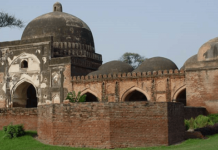
Khairuddin Masjid, also known as Sunehri Masjid, is a historic mosque located in the Chowk Phowara area of Amritsar. Built in the 18th century by Nawab Khairuddin Khan, the mosque is renowned for its exquisite Mughal architecture and intricate marble work. Visitors can admire the mosque’s beautiful domes, minarets, and calligraphy, which reflect the artistic brilliance of the Mughal era. Khairuddin Masjid is a symbol of religious harmony and architectural splendor, attracting visitors of all faiths to marvel at its beauty.
10. Shri Durgiana Temple:
Shri Durgiana Temple, also known as Durga Mandir, is a Hindu temple dedicated to Goddess Durga, located in the city of Amritsar. Built in the architectural style reminiscent of the Golden Temple, the temple is a popular pilgrimage site for devotees of the Hindu faith. Visitors can explore the temple’s intricately carved façade, ornate interiors, and serene surroundings. Shri Durgiana Temple is particularly vibrant during festivals such as Navratri and Durga Puja, when devotees gather to offer prayers and seek blessings from the goddess.
Amritsar offers a wealth of attractions for travelers to explore, from its iconic religious sites and historic landmarks to its vibrant cultural heritage and culinary delights. With its rich history, spiritual significance, and warm hospitality, Amritsar invites visitors to embark on a memorable journey of discovery and exploration, immersing themselves in the charm and allure of this vibrant city.